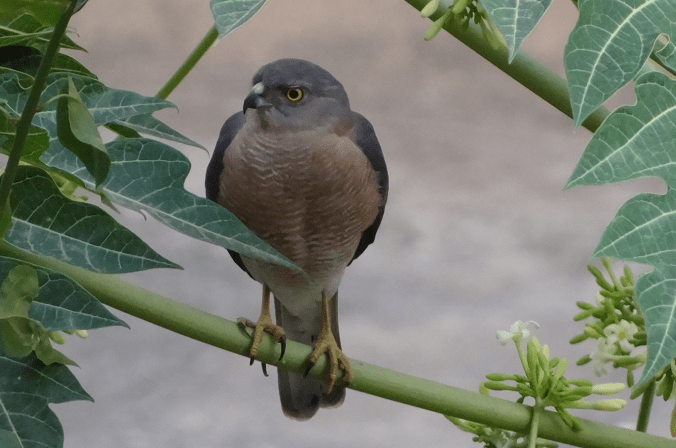
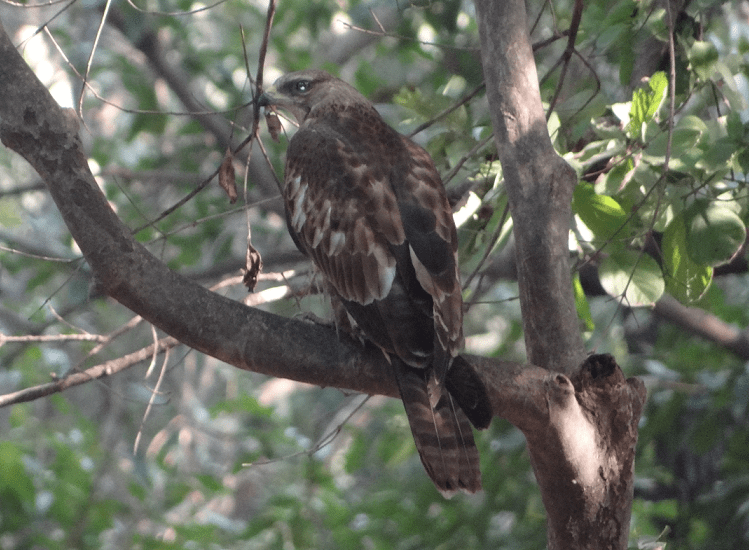
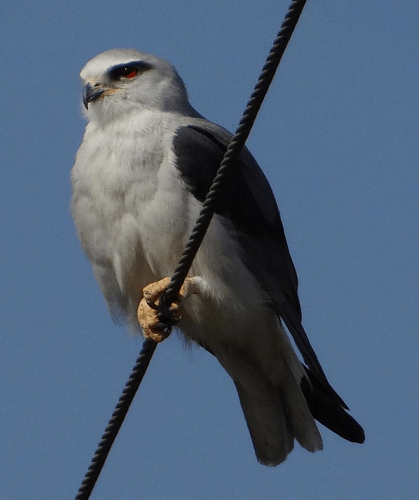
A Small Bird Of Prey found across Asia and Parts of Africa.
The size of the bird ranges from 25-30 Cms appx. and has small rounded wings.
Their food ranges from Small birds, Rodents, Squirrels, Insects and Reptiles.
Breeding in India is usually between March – June with Pale bluish grey eggs numbering from 3-7 in per batch.
The males can be differentiated by the females through the colour of the eyes.
The males have reddish eyes as compared to the orange – yellowish eyes of the Females.
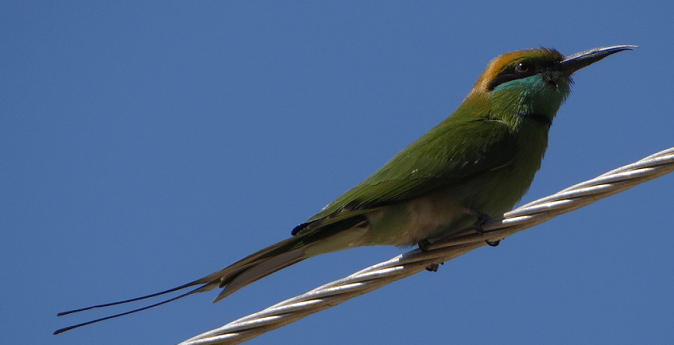
A delight to the eyes with its beautiful colours, A Bee eater is found near grasslands and thin shrubs preferably in the dry and arid regions.
The size of the birds is approximately 18 Cms and is found across Africa to Eastern parts of Asia.
The birds normally feed on Bees, Wasps, Beetles & Flying ants while removing the sting on the perches.
Breeding in the months of March to June the nesting sites are around
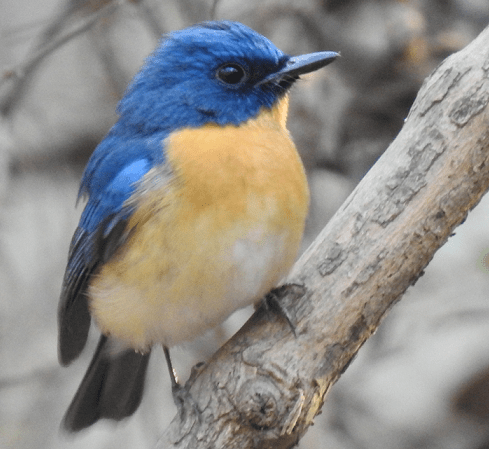
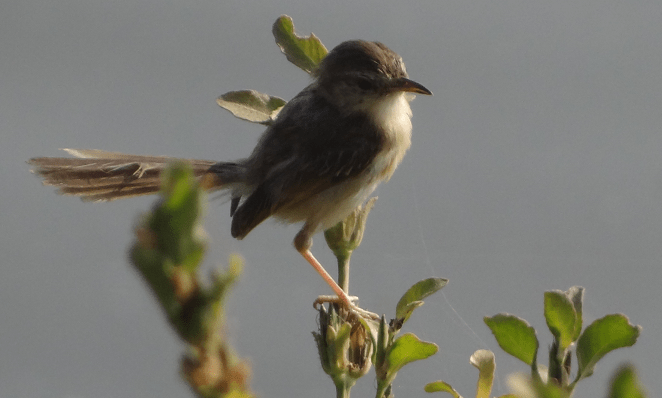
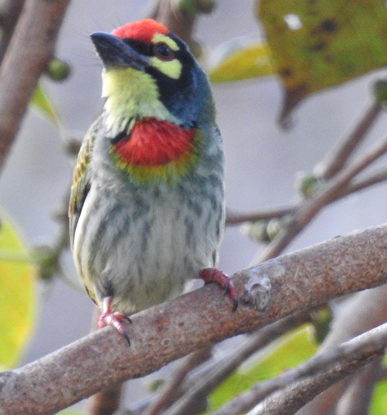
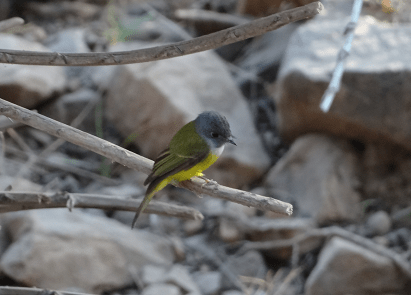
A small bird with bright colours and a sweet call perched normally in Bushes preferring the shades.
The bird having a size of around 10-12 cms prefers to feed on caterpillars and other insects.
The nests are made in shallow tree holes with 3-7 eggs laid per batch.
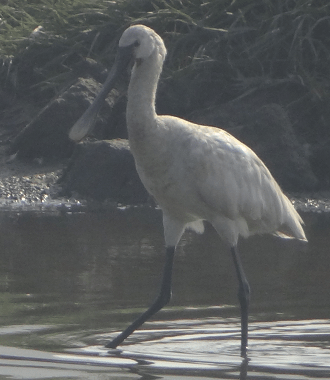
The birds normally found in shallow waters across all continents except antartica range upto 4 ft in height.
Feeding on insects, crustaceans and tiny fishes, the birds can easily be differentiated from Ibis due to the rounded and flat part of the long beak.
The breeding sites are normally clubed with those of other birds like Ibis, Herons, Storks on trees found on tiny islands or surrounded by water.
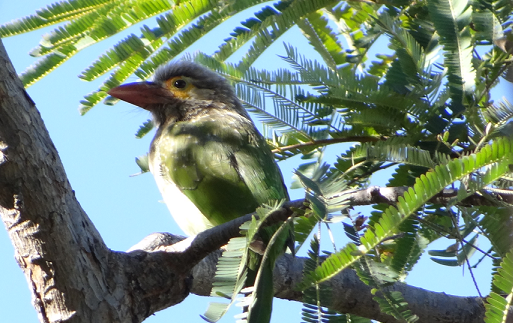
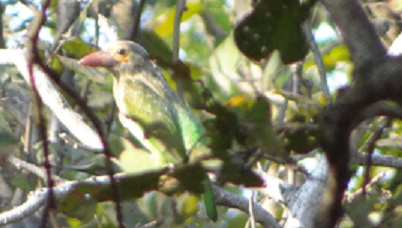
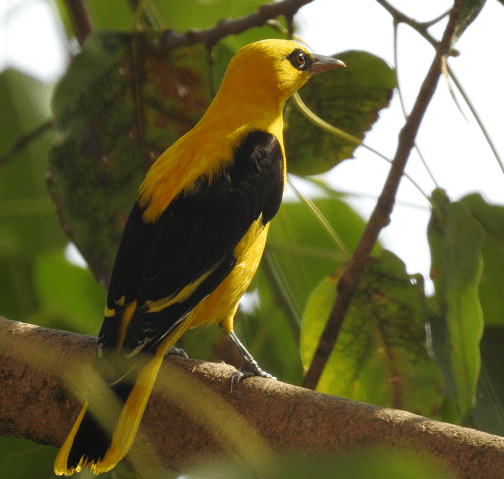
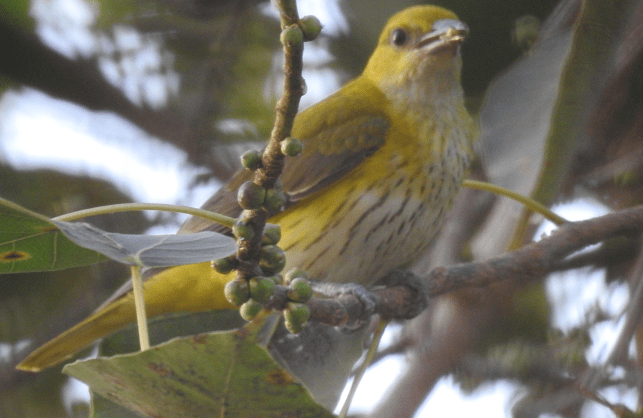
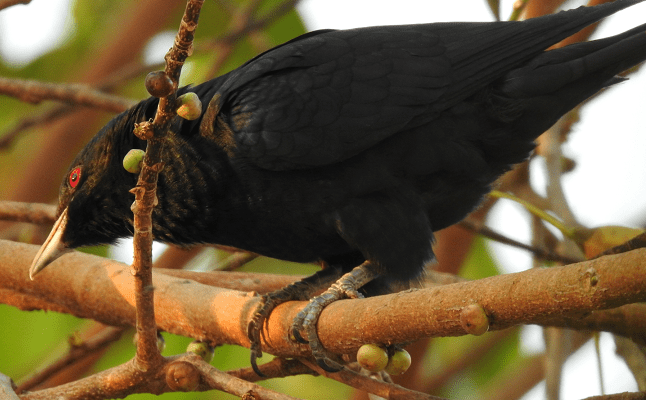
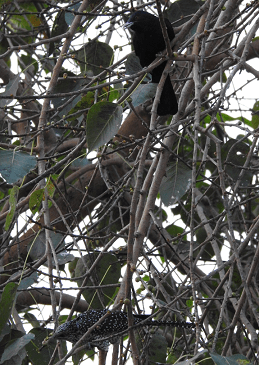
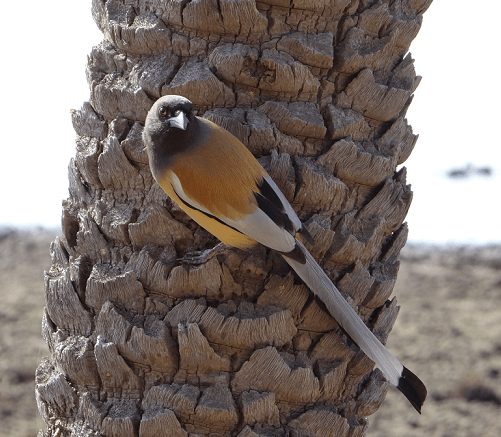
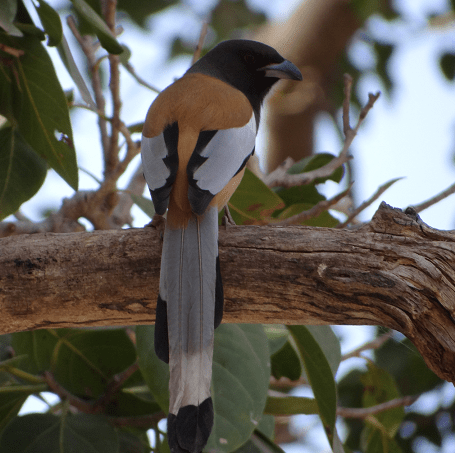
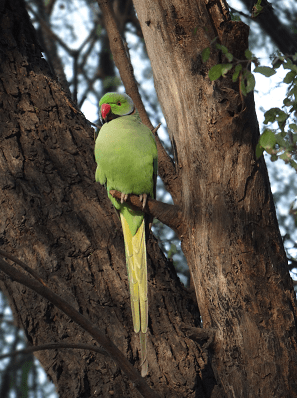
Found mainly on the Indian subcontinent from Nepal to India and Srilanka, The Bird is approximately 27 Cms long.
Feeding mainly on insects and fruits the bird prefers dense foliage while preferring fruits like Mango, Jackfruit, Papaya, Banana, Figs, Coffee and other fruits normally cultivated for human consumption.
The bird nests can be found in tree holes with 2-4 eggs being laid every nesting season.
The bird has loud calls ( Kura Kura… / Kutroo…) but is very difficult to spot in the foliage it normally prefers.
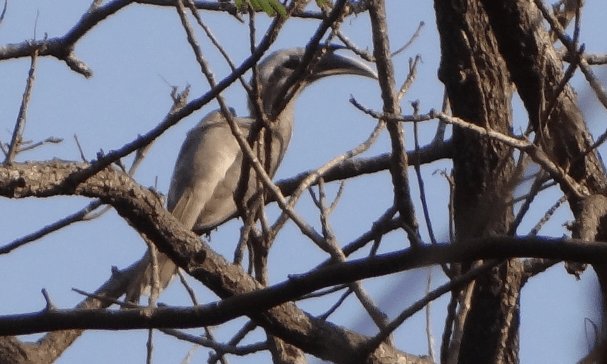
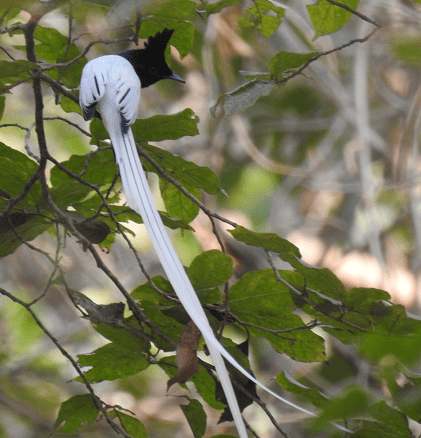
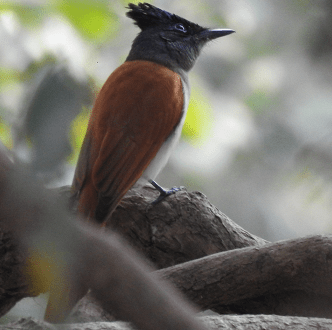
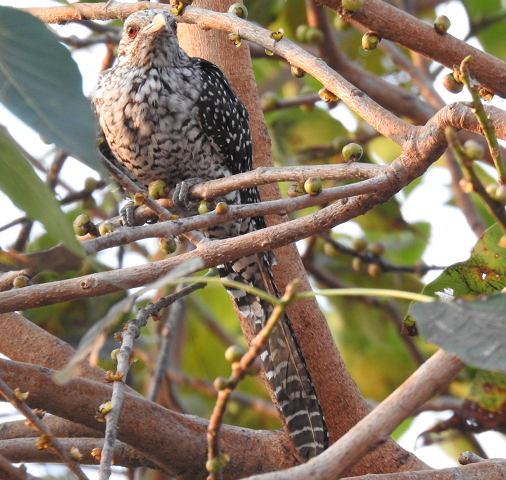
A shrill call in the forests leads you to the bird. Normally found in a pair especially perched atop ghost trees or gulmohar trees in the deciduous forests of India.
Though large in size the birds might be a bit difficult to spot. Also their keen eyesight makes reaching closer a bit difficult.
The nesting happens around April – June with 1-7 eggs laid in tree hollows.
The birds prefer Fruits in addition to insects and small birds.
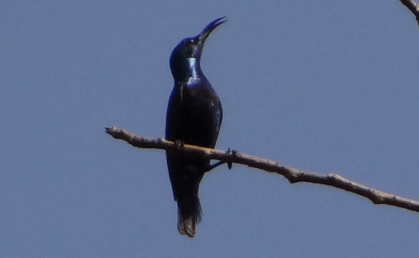
Widely spread throughout asia, the Male sunbird has a Bluish to deep purple colouration as compared to the Yellowish brown colours of the Female. The birds are commonly found across farms, gardens and also in the urban areas.
Sized around 10 Cms in length the bird has a curved beak and seems much similar to a humming bird and is also found hovering around flowers.
The nets are made by the females out of cobwebs, grass and small twigs.
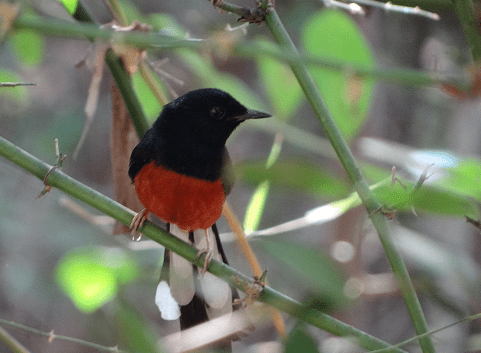
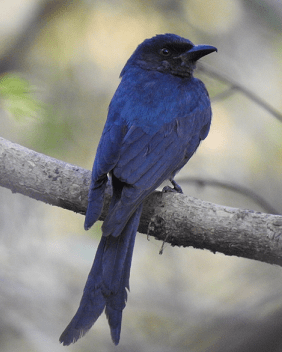
A highly territorial bird with the Males being Black in colour while the females being brownish grey in cloour.
The bird species is found across the Asian subcontinent.
The birds are commonly kept as pets due to their sweet calling and mimicking sounds.
The foods comprises of Insects in addition to boiled grains or raw meat while in captivity.
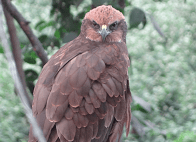
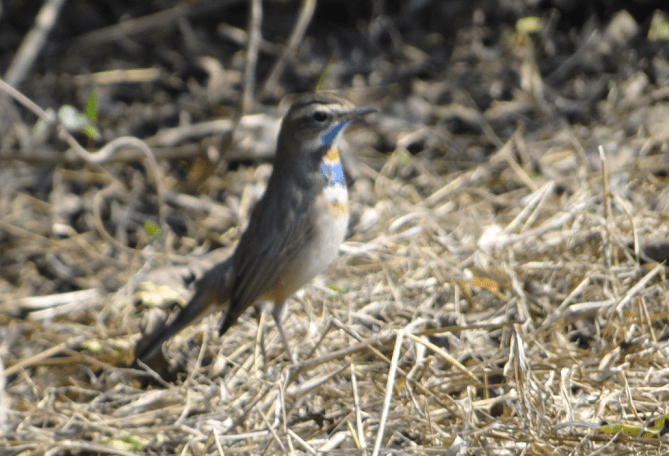
A migrant bird found around wetlands in the subcontinent.
Feeding mainly on small mammals, birds, insects, frogs, etc. The birds prefer a environment around tall reeds.
Breeding seasons are around March to May with 3-7 eggs being laid in each clutch
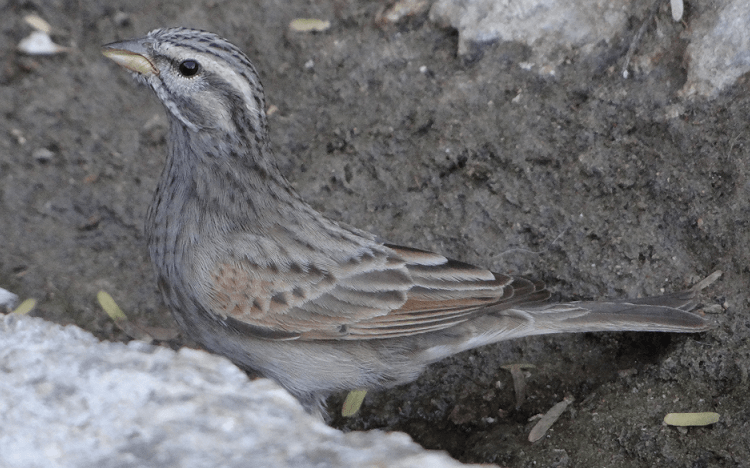
Found from South East Asia to Africa, The buntings sized around 14 cms prefer a dry habitat around water streams away from human populations while nesting in holes or on the ground.
The food consists mainly of Seeds and insects especially during the breeding season.
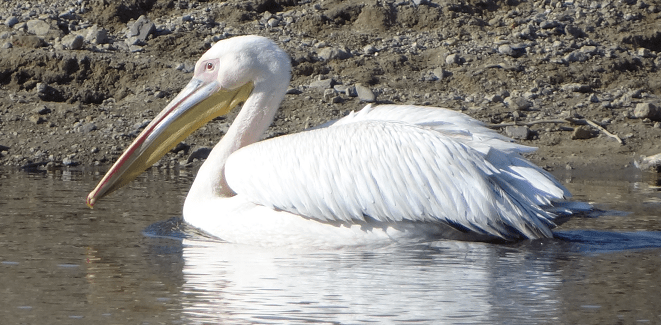
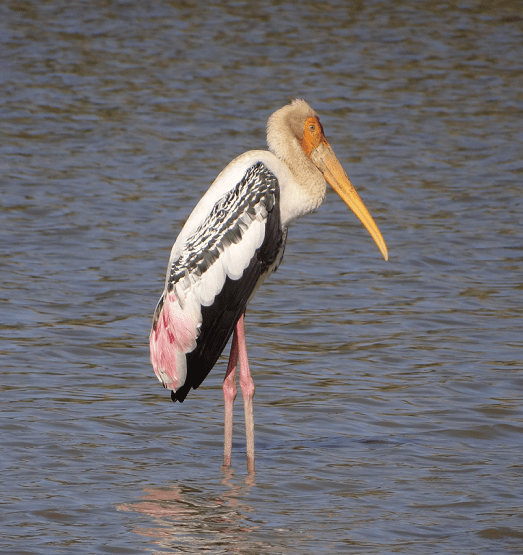
A large bird ranging from 4.5 Ft to 7 ft in length including a long beak pinkish in colour. The bird is a migratory species found mainly in areas of Rajasthan and Gujarat during the winter months.
The bird has a preference for fresh water ponds and lakes which are shallow.
The birds found in flocks feed on fish including occasional feeding on chicks of other birds.
The birds have a very good eyesight and are extremely shy of Humans or other predators and might abandon their nests in self preservation..
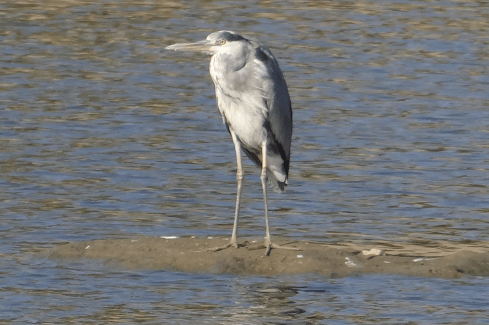
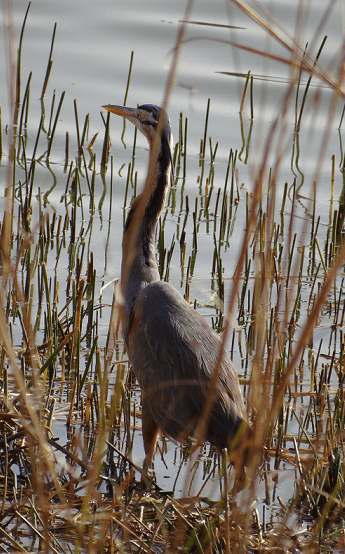
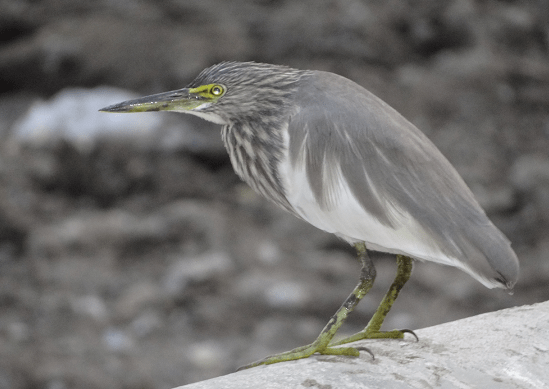
A large bird nearly 3.5 feet tall, With a grey plumage found mainly around lakes, rivers, ponds & marshes across Europe, Asia and Africa
The birds hunt in shallow waters feeding on Fishes, Insects, Amphibians and Small Mammals.
The breeding happens in large nesting colonies known as Heronries which can be found on taller trees. The birds use the same nest with the males inviting the females to the nests. The egg clutches contain 3-5 eggs which are greenish – Blue in colour
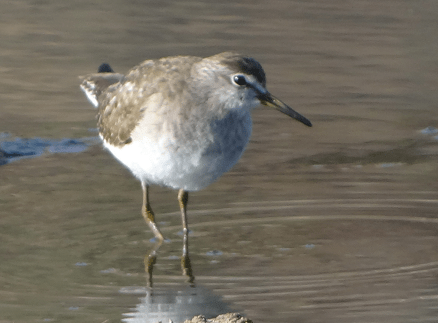
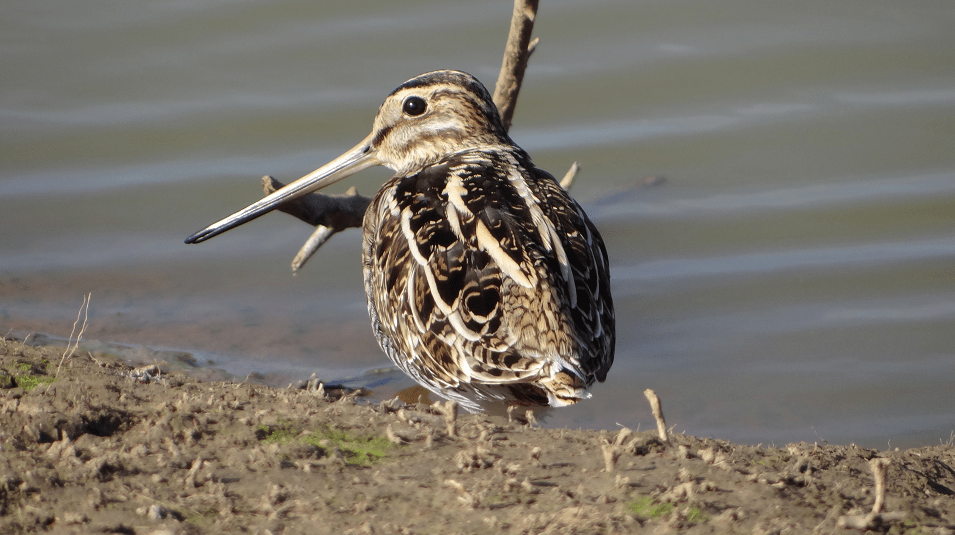
From the family of waders or shorebirds, sandpipers are similar to snipes or curlew.
The food consists of invertebrates living in the mud around water bodies. The bills range from 12 to 66 cms for different species.
The nesting happens on the ground with 3 -4 eggs being laid.
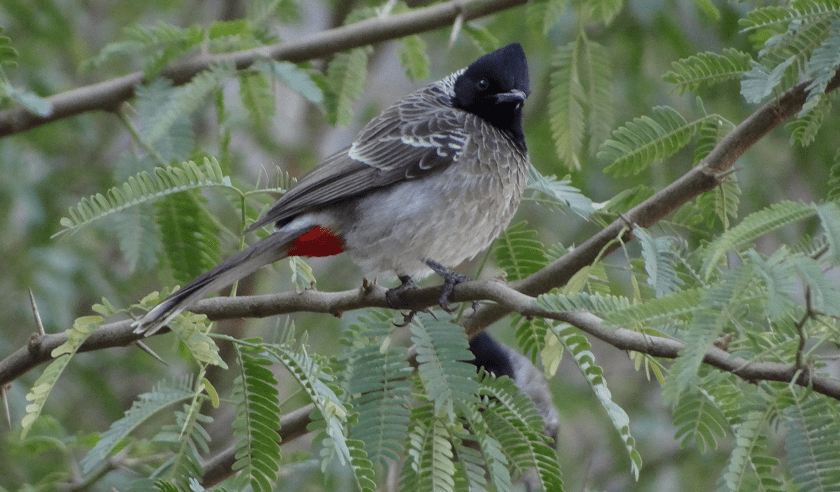
Marked with a distinctive red vent, The bird is commonly found all across the Indian sub continent. The food includes fruits, Petals, Insects and occasionally the geckos. The breeding season falls between June to september while each cluth comprising of 3-5 eggs.
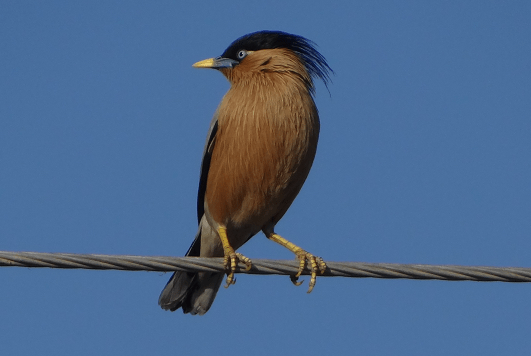
A member of the starling family, Brahminy mynas are commonly found across the indian subcontinent more in India and Nepal. The birds are omnivorous feeding mainly on Fruits and Insects.
The nesting includes laying a clutch of 3-4 eggs in a hole along with nesting sites of other birds like parrots and other mynas.
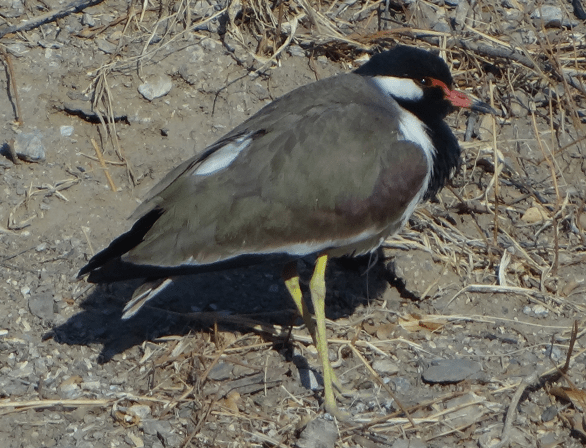
Lapwings belong to the plover or wader family and generally found near water bodies in small groups. They are ground dwelling birds that are not able to perch. The birds are easily noticed due to the highly conspicuous calls heard during the day or even the night time. The bird populations are quite abundant in the South Asia region while a bit threatened in the western asia region. The birds feed on insects, snails and other invertebrates in addition to feeding on grains.
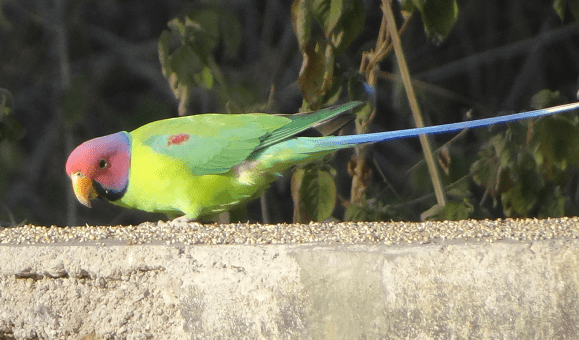
Found commonly across the Indian subcontinent from the foot hills of Himalayas upto sri lanka, The plum headed parakeets are one of the noisiest of parakeets. The birds are found in grasslands and open forests other than those of the western regions. The males and females are distinguished easily as the males have a pinkish grey head as compared to a grey coloured head of a female. The food mainly consists of Grains, Fruits or the fleshy part of flowers. The breeding season lasts from APril – August while the female laying 4-6 white eggs in hollows in the trees. The birds are also kept as pets.
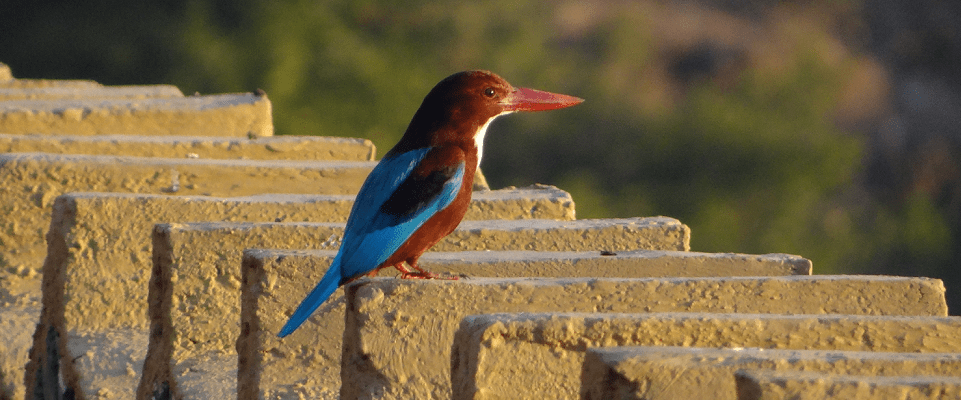
The white breasted or White throated kingfisher is commonly found across the indian subcontinent. The birds are also found near urban areas especially near water holes or small ponds. The birds are easily noticable due to the bright blue colour of the wings and the large red beak. The birds are also frequently found perched on the wires next to the roads. The food consists of fish, small rodents, amphibians, reptiles and crabs. The nesting happens in colonies of birds alongside the rivulets or mud banks in small holes or tunnels around a feet or 2 in depth where a clutch of 4-7 eggs are laid.
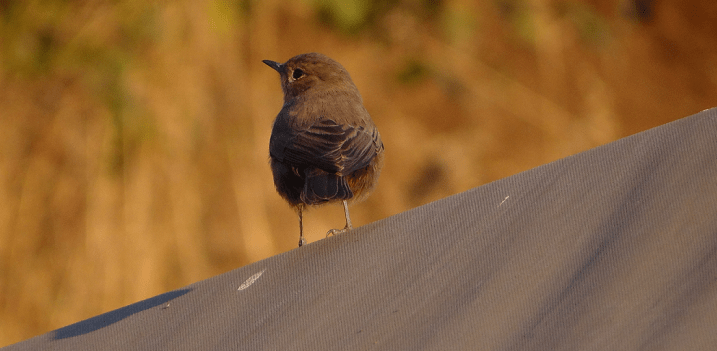
A resident of the Himalayas, The Black Redstart are small birds which are brownish orange in colour and similar to the robins in size which are seen around Delhi and Rajasthan during the harsh winter months between September and March. Feeding mainly on Insects, the birds are found near the backyards, lawns, rocky ledges or low wooden perches.
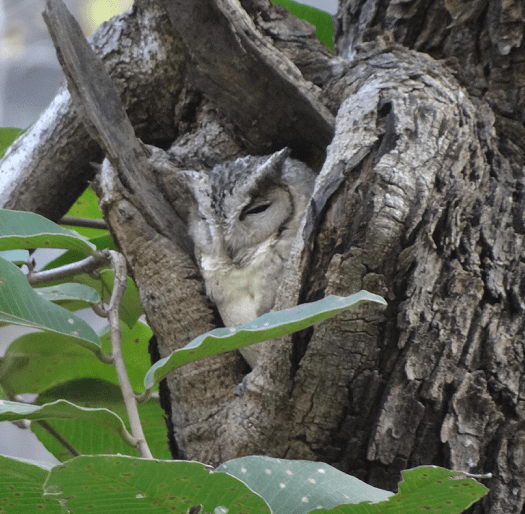
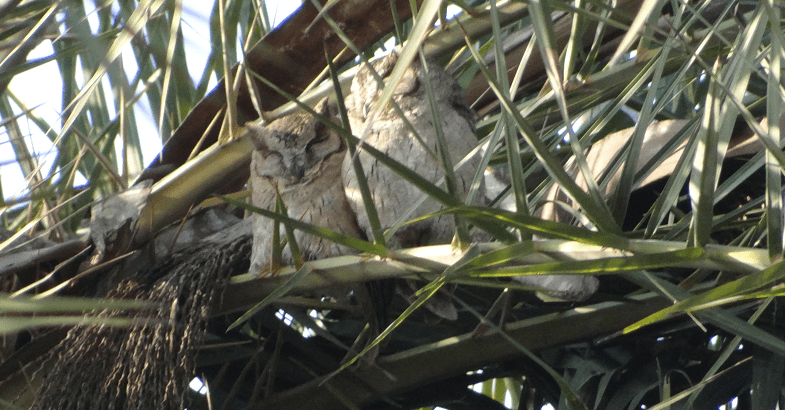
The Indian Scops owl or the collared scops owl is the smallest of the scops owls with size of approx. 25 cms. The birds normally feed on insects like Beetles or Grasshoppers and occasionally on lizards, mice, or other small birds. The birds are well camouflaged and are difficult to spot even during the day. The birds are well distributed across the entire country especially in areas of dense vegetation.
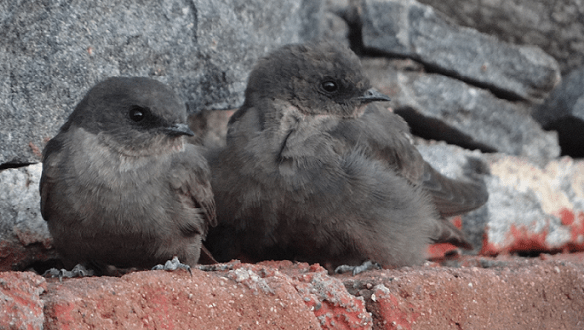
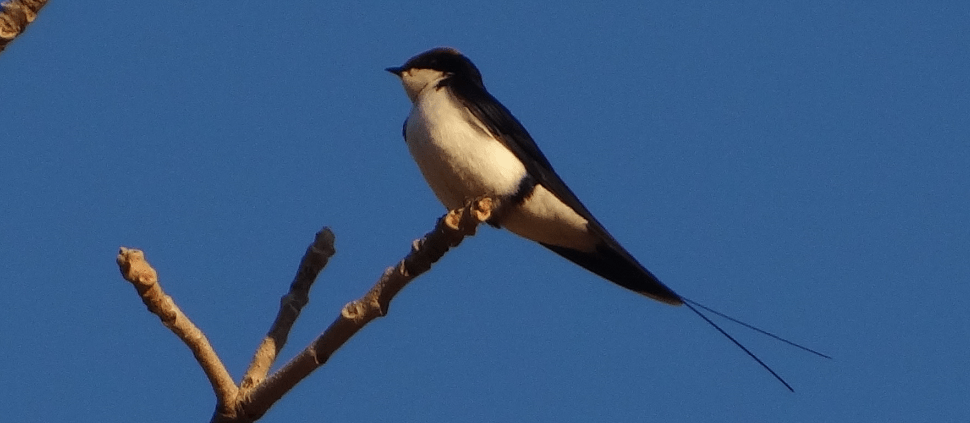
Found commonly across the country, these birds can usually be seen moving high in the skies during the early morning and evening hours. The birds are usually found nesting or spending the night in and around dilapidated structures. The small birds are brownish grey in colour and have a pretty loud chirping sound. The flight is very quick in the air and normally the birds are found in groups of 5-10 birds. The birds normally feed on flying insects and drink water by skimming over the surface. The birds nest around and inside buildings, caves, bridges, mountain cliffs & rock ledges. with nests made of saliva and feathers. The birds are also one of the most
 Wildlife Watch-India
Awesome pics
LikeLike